Independent writing on tax-smart planning, mortgage strategy, and retirement building. For Canadian professionals who want the whole picture, not just a piece of it.
Eby's Job Loss Warning Exposes How Vulnerable B.C. Really Is
Forestry towns in B.C.'s interior have seen this movie before. The softwood lumber dispute has been grinding through legal channels since 2015, when the last Softwood Lumber Agreement expired. The difference now is that the federal government in Ottawa has moved from diplomatic hand-wringing to C$27.6 billion in retaliatory tariffs, and Premier David Eby is telling workers to prepare for layoffs.
The warning landed last week. Eby framed it as blunt realism: the U.S. has imposed a 50% tariff on certain Canadian imports, Canada has responded with counter-measures targeting politically sensitive U.S. states, and B.C. workers in export-dependent sectors are about to feel it. The rhetoric marks a shift from the "we're working on it" messaging that dominated the first decade of this dispute to something closer to damage control.
Why B.C. Gets Hit Harder
The vulnerability is structural. Over 50% of B.C.'s commodity exports go to the U.S., and softwood lumber sits at the center of that relationship. Forestry and logging directly employ approximately 14,000 workers in the province, concentrated in communities where the mill is the largest employer and there is no plan B. When the U.S. Commerce Department review pushes duties into double digits, those towns absorb the shock directly.
Other provinces have diversified. Alberta ships energy. Ontario has automotive and manufacturing tied to cross-border supply chains that both governments are incentivized to protect. B.C.'s trade basket is narrower, and the sector taking the hit is one where the U.S. has been willing to sustain a multi-decade fight.
The retaliatory tariff strategy compounds the problem. Ottawa's C$27.6 billion list targets goods from swing states to maximize political pressure. That works as leverage in Washington. It also means higher costs on imported U.S. goods for B.C. consumers, effectively a consumption tax during an affordability crisis. The worker who loses a forestry job because of U.S. tariffs also pays more for the groceries and tools Canada is now taxing at the border. Protection has a price, and it shows up in two places.
The Diversification That Never Happened
For twenty years, B.C. has talked about pivoting trade toward Asia. The Gateway Strategy. The Pacific trade corridor. None of it moved the needle enough to reduce U.S. dependence when it mattered. China's appetite for Canadian lumber grew, then stalled as its property market cooled. Japan and South Korea were never going to replace the scale of cross-border commerce with the U.S., where C$3.6 billion in goods move daily between the two countries.
The failure to diversify leaves B.C. fighting a trade war with one major customer and limited alternatives. Eby's alignment with the federal government keeps the U.S. from picking provinces off individually, but it does not solve the underlying exposure.
What Retaliation Actually Buys
Supporters of the tariff response argue that without showing teeth, Canada would face even more aggressive U.S. demands down the road. The counter-argument is that retaliation locks both sides into escalation, and B.C. has more to lose in a prolonged standoff than any other province.
The Premier is managing expectations now so the blame shifts to Washington when the layoffs arrive. That is smart politics. It also highlights how little B.C. can do independently once the federal government commits to a tariff fight. Provincial job programs and worker retraining funds soften the landing. They do not replace the wages.
A trade war with your largest customer when you have no backup plan leaves you dependent on hope and messaging.


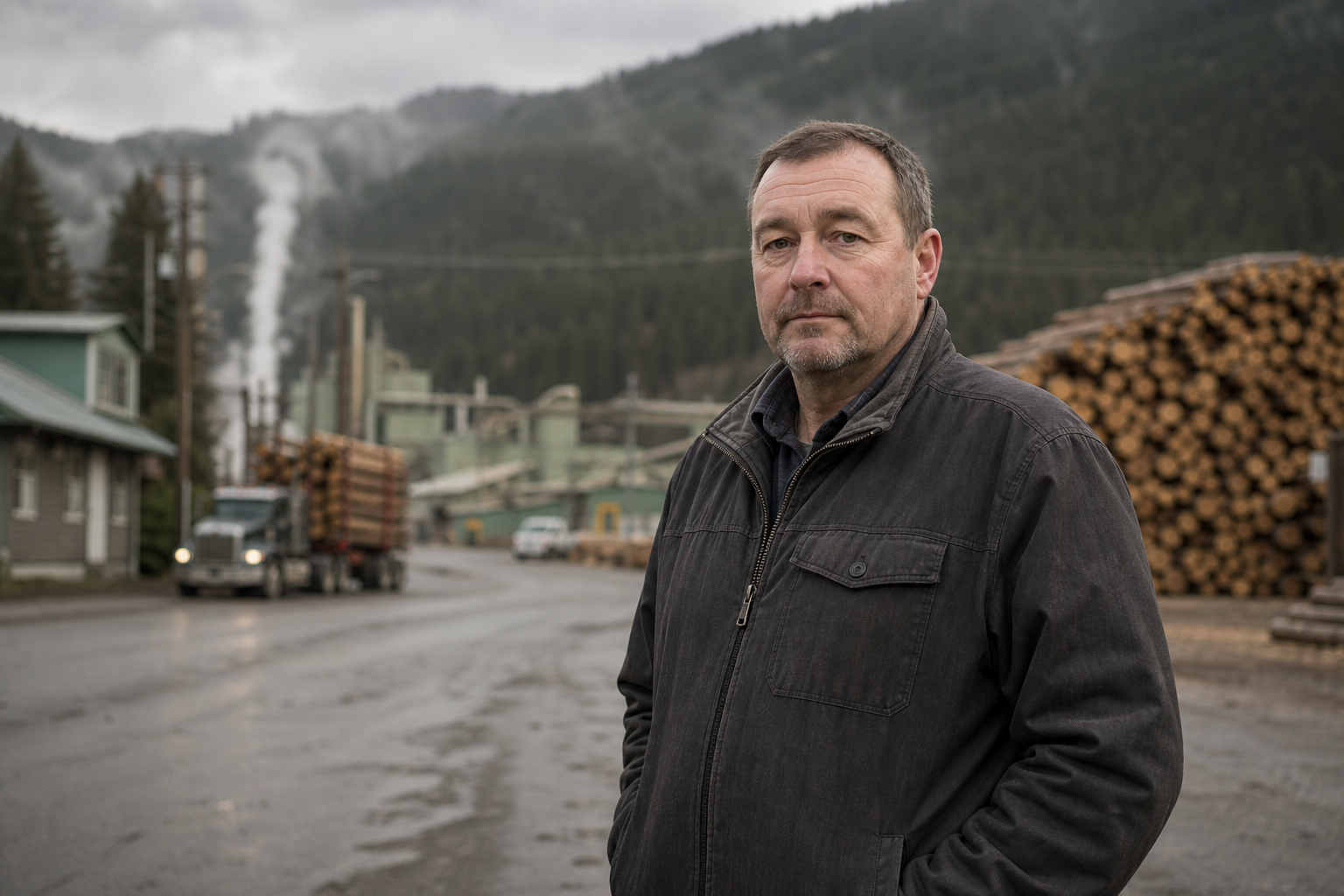

Forestry towns in B.C.'s interior have seen this movie before. The softwood lumber dispute has been grinding through legal channels since 2015, when the last Softwood Lumber Agreement expired. The difference now is that the federal government in Ottawa has moved from diplomatic hand-wringing to C$27.6 billion in retaliatory tariffs, and Premier David Eby is telling workers to prepare for layoffs.
The warning landed last week. Eby framed it as blunt realism: the U.S. has imposed a 50% tariff on certain Canadian imports, Canada has responded with counter-measures targeting politically sensitive U.S. states, and B.C. workers in export-dependent sectors are about to feel it. The rhetoric marks a shift from the "we're working on it" messaging that dominated the first decade of this dispute to something closer to damage control.
Why B.C. Gets Hit Harder
The vulnerability is structural. Over 50% of B.C.'s commodity exports go to the U.S., and softwood lumber sits at the center of that relationship. Forestry and logging directly employ approximately 14,000 workers in the province, concentrated in communities where the mill is the largest employer and there is no plan B. When the U.S. Commerce Department review pushes duties into double digits, those towns absorb the shock directly.
Other provinces have diversified. Alberta ships energy. Ontario has automotive and manufacturing tied to cross-border supply chains that both governments are incentivized to protect. B.C.'s trade basket is narrower, and the sector taking the hit is one where the U.S. has been willing to sustain a multi-decade fight.
The retaliatory tariff strategy compounds the problem. Ottawa's C$27.6 billion list targets goods from swing states to maximize political pressure. That works as leverage in Washington. It also means higher costs on imported U.S. goods for B.C. consumers, effectively a consumption tax during an affordability crisis. The worker who loses a forestry job because of U.S. tariffs also pays more for the groceries and tools Canada is now taxing at the border. Protection has a price, and it shows up in two places.
The Diversification That Never Happened
For twenty years, B.C. has talked about pivoting trade toward Asia. The Gateway Strategy. The Pacific trade corridor. None of it moved the needle enough to reduce U.S. dependence when it mattered. China's appetite for Canadian lumber grew, then stalled as its property market cooled. Japan and South Korea were never going to replace the scale of cross-border commerce with the U.S., where C$3.6 billion in goods move daily between the two countries.
The failure to diversify leaves B.C. fighting a trade war with one major customer and limited alternatives. Eby's alignment with the federal government keeps the U.S. from picking provinces off individually, but it does not solve the underlying exposure.
What Retaliation Actually Buys
Supporters of the tariff response argue that without showing teeth, Canada would face even more aggressive U.S. demands down the road. The counter-argument is that retaliation locks both sides into escalation, and B.C. has more to lose in a prolonged standoff than any other province.
The Premier is managing expectations now so the blame shifts to Washington when the layoffs arrive. That is smart politics. It also highlights how little B.C. can do independently once the federal government commits to a tariff fight. Provincial job programs and worker retraining funds soften the landing. They do not replace the wages.
A trade war with your largest customer when you have no backup plan leaves you dependent on hope and messaging.
Sources
Read Next
Why a Military Drone Contract Could Send This TSX Small-Cap Higher
BMO InvestorLine drops all trading commissions, forcing Canada's discount brokers to respond
Groupe Dynamite and Transat: Why Sector Labels Matter Less Than Company Fundamentals
The Dairy and Liquor Ban: What Trump's Selective Tariff Strategy Actually Targets