Independent writing on tax-smart planning, mortgage strategy, and retirement building. For Canadian professionals who want the whole picture, not just a piece of it.
Why a Reverse Mortgage Lender Just Hired a Geriatrician
Dr. Samir Sinha has spent his career treating patients in their eighties and nineties, and the pattern he sees most often is the mismatch. The frail senior who needs two personal support workers six days a week. The daughter crunching numbers, realizing that keeping her mother at home will cost $48,000 a year out of pocket. The provincial health system that covers the doctor visits but not the ramp installation, not the PSWs, not the grab bars in the shower.
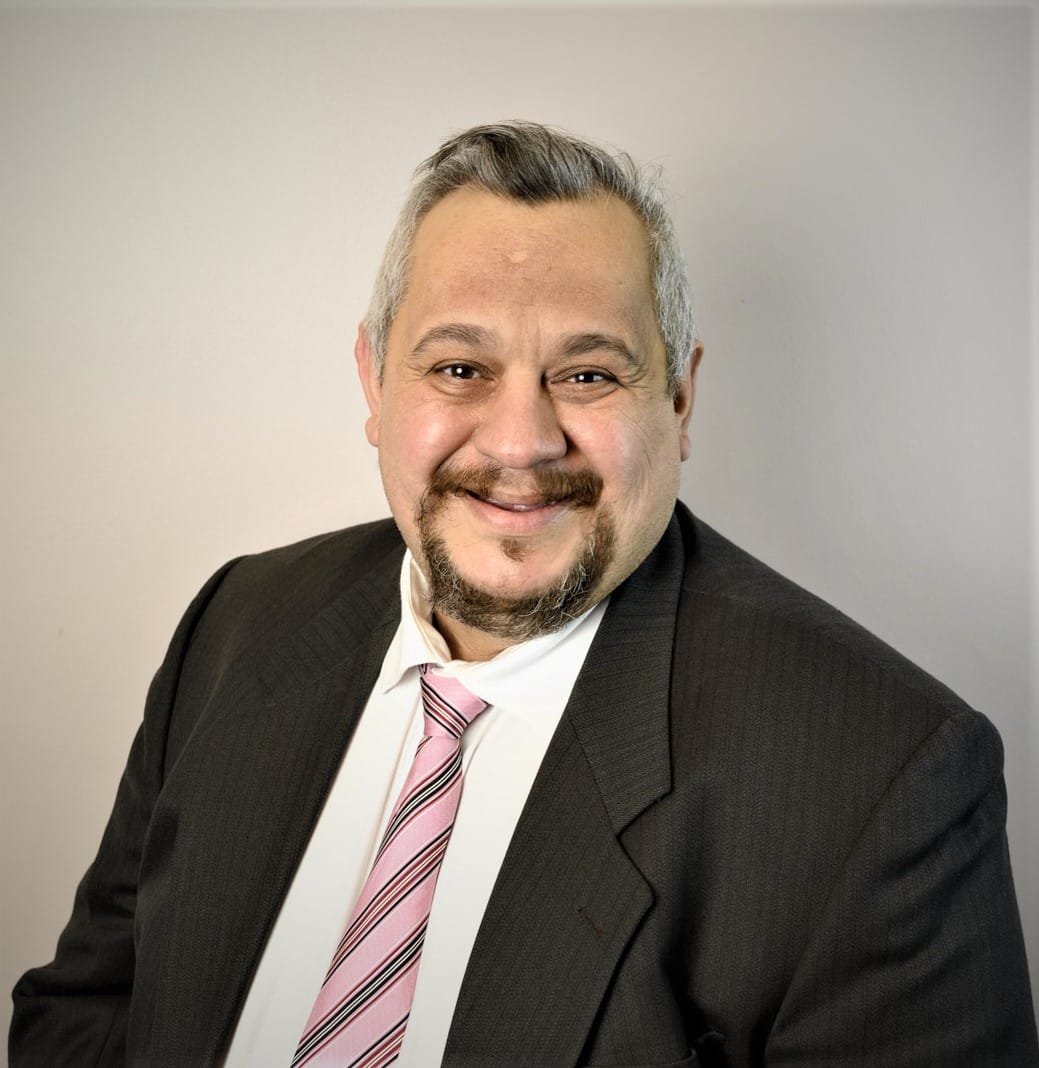
HomeEquity Bank hired Sinha this year as its first Chief Health Advisor, making him the highest-profile clinician to formally align with a reverse mortgage provider in Canada. The move turns a financial product into something closer to a prescription. Sinha is the Director of Geriatrics at Sinai Health and the University Health Network, and one of the architects of Canada's National Seniors Strategy. His presence on the letterhead is not celebrity endorsement. It is structural repositioning.
The gap the bank is betting on
More than 90% of Canadians over 65 want to stay in their current homes for as long as possible, according to the National Institute on Ageing. The sentiment is near-universal. What is not universal is the ability to pay for it. Home care at a moderate-to-high level runs $30,000 to $60,000 annually in major urban centres, depending on the hours required and whether overnight supervision is needed. Most of that bill arrives outside the public system.
The result is a liquidity problem disguised as a lifestyle preference. The senior has equity. Often more than half a million dollars in Toronto or Vancouver. But converting that equity into cash means selling, downsizing, or borrowing. The reverse mortgage is the third option, and historically it has been the option of last resort. HomeEquity Bank's bet is that Sinha's involvement changes the framing from desperation to medical planning.
What the geriatrician brings
Sinha's mandate includes educating the bank's staff and clients on the relationship between financial stability and health outcomes. That sounds anodyne until you map it to the specific decisions families face. Keeping a parent at home versus moving them into long-term care is not just a housing choice. Post-pandemic sentiment has turned sharply against institutional care, and the clinical case for aging in place is well-documented when adequacy of support is controlled for. The problem is controlling for adequacy of support.
This is where the reverse mortgage enters as something closer to infrastructure. The equity release funds the PSWs, the modified bathroom, the meal delivery, the transportation to appointments. Without it, the family either drains liquid savings or the parent moves. Sinha's presence provides the clinical validation that these expenditures are not luxuries. They are the cost of maintaining independence, and independence has measurable effects on cognitive decline and mortality.
The second-order effect on decision-makers
The real audience for this hire is not the senior. It is the adult child. The sandwich generation, who will inherit less but feel less guilt. A reverse mortgage erodes equity over time as interest compounds, and that erosion is the source of most family friction. The daughter who watches her parents' $800,000 house become a $500,000 net estate feels, reasonably, like an inheritance just vaporized.
Sinha's role addresses this tension by medicalizing the decision. If the choice is between $50,000 a year in care costs paid from a reverse mortgage versus an earlier move to a nursing home, the calculus shifts. The equity was going to be spent either way. The question is whether it funds dignity or just delays the inevitable institutional placement. A geriatrician saying "this is how you fund health span, not just life span" is a different conversation than a banker saying "unlock your equity."
HomeEquity Bank originates over a billion dollars in reverse mortgages quarterly now, and the product has moved from niche to mainstream. Sinha's appointment signals that the next phase is integration with care planning, not just retirement income. The message to the market is that aging in place is not a housing decision. It is a funded clinical strategy, and the funding comes from the house.



Dr. Samir Sinha has spent his career treating patients in their eighties and nineties, and the pattern he sees most often is the mismatch. The frail senior who needs two personal support workers six days a week. The daughter crunching numbers, realizing that keeping her mother at home will cost $48,000 a year out of pocket. The provincial health system that covers the doctor visits but not the ramp installation, not the PSWs, not the grab bars in the shower.
HomeEquity Bank hired Sinha this year as its first Chief Health Advisor, making him the highest-profile clinician to formally align with a reverse mortgage provider in Canada. The move turns a financial product into something closer to a prescription. Sinha is the Director of Geriatrics at Sinai Health and the University Health Network, and one of the architects of Canada's National Seniors Strategy. His presence on the letterhead is not celebrity endorsement. It is structural repositioning.
The gap the bank is betting on
More than 90% of Canadians over 65 want to stay in their current homes for as long as possible, according to the National Institute on Ageing. The sentiment is near-universal. What is not universal is the ability to pay for it. Home care at a moderate-to-high level runs $30,000 to $60,000 annually in major urban centres, depending on the hours required and whether overnight supervision is needed. Most of that bill arrives outside the public system.
The result is a liquidity problem disguised as a lifestyle preference. The senior has equity. Often more than half a million dollars in Toronto or Vancouver. But converting that equity into cash means selling, downsizing, or borrowing. The reverse mortgage is the third option, and historically it has been the option of last resort. HomeEquity Bank's bet is that Sinha's involvement changes the framing from desperation to medical planning.
What the geriatrician brings
Sinha's mandate includes educating the bank's staff and clients on the relationship between financial stability and health outcomes. That sounds anodyne until you map it to the specific decisions families face. Keeping a parent at home versus moving them into long-term care is not just a housing choice. Post-pandemic sentiment has turned sharply against institutional care, and the clinical case for aging in place is well-documented when adequacy of support is controlled for. The problem is controlling for adequacy of support.
This is where the reverse mortgage enters as something closer to infrastructure. The equity release funds the PSWs, the modified bathroom, the meal delivery, the transportation to appointments. Without it, the family either drains liquid savings or the parent moves. Sinha's presence provides the clinical validation that these expenditures are not luxuries. They are the cost of maintaining independence, and independence has measurable effects on cognitive decline and mortality.
The second-order effect on decision-makers
The real audience for this hire is not the senior. It is the adult child. The sandwich generation, who will inherit less but feel less guilt. A reverse mortgage erodes equity over time as interest compounds, and that erosion is the source of most family friction. The daughter who watches her parents' $800,000 house become a $500,000 net estate feels, reasonably, like an inheritance just vaporized.
Sinha's role addresses this tension by medicalizing the decision. If the choice is between $50,000 a year in care costs paid from a reverse mortgage versus an earlier move to a nursing home, the calculus shifts. The equity was going to be spent either way. The question is whether it funds dignity or just delays the inevitable institutional placement. A geriatrician saying "this is how you fund health span, not just life span" is a different conversation than a banker saying "unlock your equity."
HomeEquity Bank originates over a billion dollars in reverse mortgages quarterly now, and the product has moved from niche to mainstream. Sinha's appointment signals that the next phase is integration with care planning, not just retirement income. The message to the market is that aging in place is not a housing decision. It is a funded clinical strategy, and the funding comes from the house.
Read Next
Ottawa Can Win Against Cleveland-Cliffs and Still Lose on Steel Tariffs
143,929 Approved Homes Sit Unbuilt: What Is Really Holding Back Canada's Supply
Northeastern PA or the Big City: What the Same Budget Buys in Each
7 Co-Ownership Agreements That Protect Both the Friendship and the Equity