Independent writing on tax-smart planning, mortgage strategy, and retirement building. For Canadian professionals who want the whole picture, not just a piece of it.
Tariff Remission in Canada: How Importers Can Recover Duties, and What It Takes
When Canada places counter-tariffs on American goods, the importer pays them at the border, even if that importer is a Canadian manufacturer with no realistic alternative supplier. Ottawa built a pressure valve for that situation. It is called remission, and it allows the federal government to refund or waive duties that would otherwise be legally owed.
Interest in it has grown in 2026. In August, the United States imposed a new 50% tariff on certain Canadian imports, and Canada has kept its own counter-tariffs on a list of U.S. products. Many Manitoba manufacturers and farm operations buy machinery, parts and inputs from American suppliers. For them, the counter-tariffs can cost as much as the American ones.
How remission works
The authority comes from section 115 of the Customs Tariff. It gives the Governor in Council, meaning the federal cabinet, the discretion to forgive duties. The Department of Finance sets the policy and reviews applications. The Canada Border Services Agency collects duties and processes refunds once an order is approved. Approved orders are published in the Canada Gazette, which becomes the legal record of the relief.
The government has run this kind of process before. Back in 2024, Canada put a 100% surtax on Chinese-made electric vehicles and a 25% surtax on Chinese steel and aluminum. Finance then opened a remission process for companies that could not quickly move their supply chains. The counter-tariff process follows the same idea.
What you have to prove
Applicants generally need to make one of two arguments.
The first is about supply. You show that the product cannot be sourced from Canadian producers or from suppliers outside the United States in the quantity or specification you need. Specialized equipment and certain raw materials often fit here.
The second is about harm. You show that the tariff would cause serious damage to your business or to the wider Canadian economy, such as job losses or a real threat to solvency. The point is that the tariff is hurting the people it was meant to protect.
Both arguments need evidence: supplier quotes, proof that you looked for alternatives, financial statements and a clear estimate of how the duty changes your costs. General statements about tough conditions do little.
Where applications fall short
The most common obstacle is domestic availability. If a Canadian company anywhere in the country makes a comparable product, the case for remission gets much weaker. That holds even if the product costs more or would take time to qualify.
The second obstacle is time. Reviews can take several months. During that period you keep paying the duty. If you stop paying while an application is pending, the CBSA can charge penalties and interest. A business with thin cash reserves has to carry that cost until a decision arrives, and there is no guarantee of approval. Remission is discretionary. A strong hardship case does not create a legal right to a refund.
The third is cost. Preparing a solid application usually involves a customs broker and often a trade lawyer. On smaller import volumes, those fees can come close to the duty you are trying to recover. Many orders are also time-limited. If trade tensions continue past the expiry date, you may need to apply again or find another supplier anyway.
Where it makes sense
The arithmetic is simple. Compare the annual duty you expect to pay with the professional cost of applying and the cash you will tie up while waiting. For a business importing large volumes of a product with no Canadian or non-U.S. substitute, the potential refund can be meaningful. In that case the margin is being squeezed by trade policy rather than by how the business performs.
Records matter regardless of the outcome. Importers who keep supplier searches, quotes and landed-cost calculations as they go can apply quickly when a process opens. Those who rebuild the file afterward are usually slower and less convincing. Tariff lists also tend to go through consultation before they are finalized. Raising a concern at that stage can sometimes keep a product off the list, which is simpler than seeking a refund once the duty is already being collected.


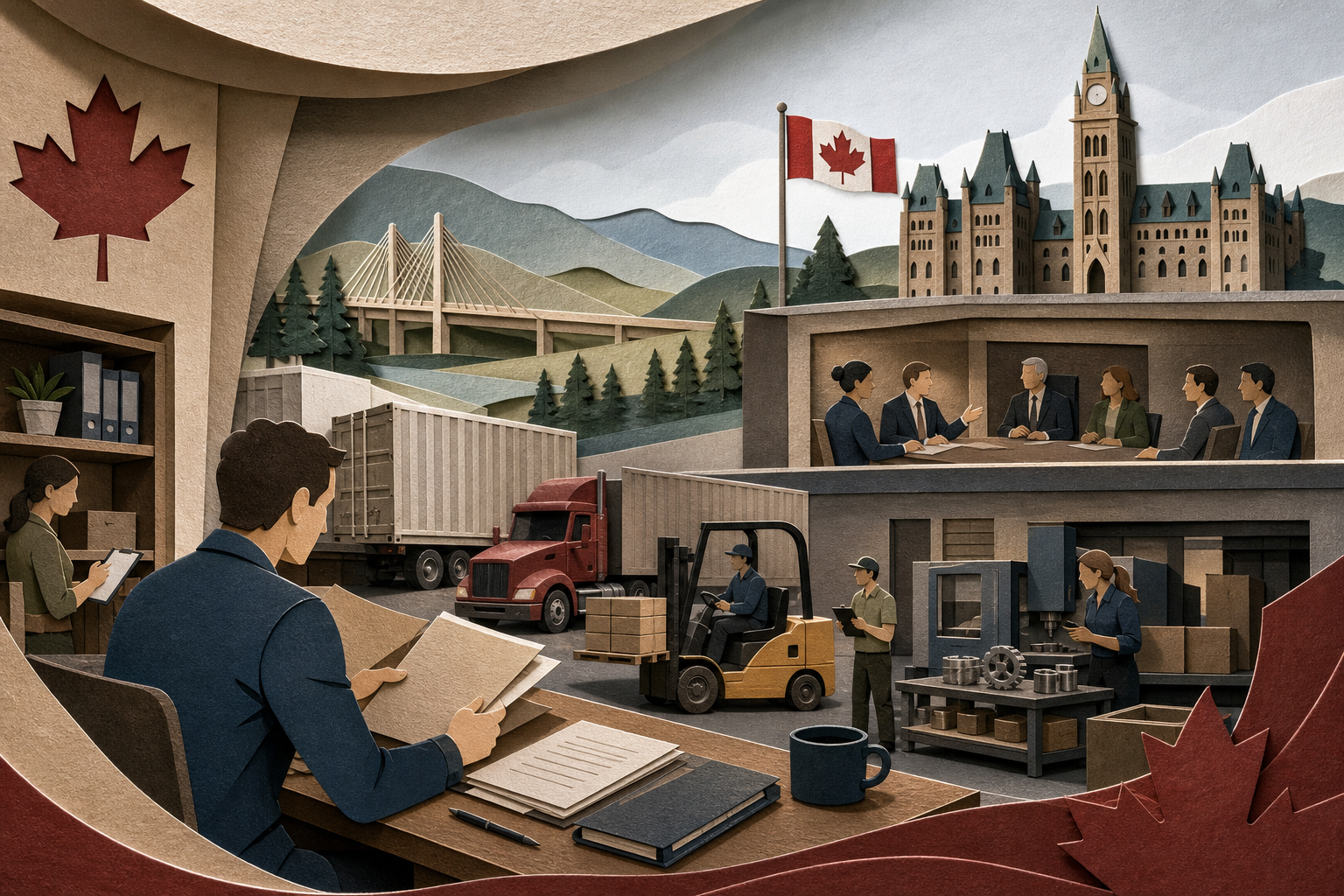

When Canada places counter-tariffs on American goods, the importer pays them at the border, even if that importer is a Canadian manufacturer with no realistic alternative supplier. Ottawa built a pressure valve for that situation. It is called remission, and it allows the federal government to refund or waive duties that would otherwise be legally owed.
Interest in it has grown in 2026. In August, the United States imposed a new 50% tariff on certain Canadian imports, and Canada has kept its own counter-tariffs on a list of U.S. products. Many Manitoba manufacturers and farm operations buy machinery, parts and inputs from American suppliers. For them, the counter-tariffs can cost as much as the American ones.
How remission works
The authority comes from section 115 of the Customs Tariff. It gives the Governor in Council, meaning the federal cabinet, the discretion to forgive duties. The Department of Finance sets the policy and reviews applications. The Canada Border Services Agency collects duties and processes refunds once an order is approved. Approved orders are published in the Canada Gazette, which becomes the legal record of the relief.
The government has run this kind of process before. Back in 2024, Canada put a 100% surtax on Chinese-made electric vehicles and a 25% surtax on Chinese steel and aluminum. Finance then opened a remission process for companies that could not quickly move their supply chains. The counter-tariff process follows the same idea.
What you have to prove
Applicants generally need to make one of two arguments.
The first is about supply. You show that the product cannot be sourced from Canadian producers or from suppliers outside the United States in the quantity or specification you need. Specialized equipment and certain raw materials often fit here.
The second is about harm. You show that the tariff would cause serious damage to your business or to the wider Canadian economy, such as job losses or a real threat to solvency. The point is that the tariff is hurting the people it was meant to protect.
Both arguments need evidence: supplier quotes, proof that you looked for alternatives, financial statements and a clear estimate of how the duty changes your costs. General statements about tough conditions do little.
Where applications fall short
The most common obstacle is domestic availability. If a Canadian company anywhere in the country makes a comparable product, the case for remission gets much weaker. That holds even if the product costs more or would take time to qualify.
The second obstacle is time. Reviews can take several months. During that period you keep paying the duty. If you stop paying while an application is pending, the CBSA can charge penalties and interest. A business with thin cash reserves has to carry that cost until a decision arrives, and there is no guarantee of approval. Remission is discretionary. A strong hardship case does not create a legal right to a refund.
The third is cost. Preparing a solid application usually involves a customs broker and often a trade lawyer. On smaller import volumes, those fees can come close to the duty you are trying to recover. Many orders are also time-limited. If trade tensions continue past the expiry date, you may need to apply again or find another supplier anyway.
Where it makes sense
The arithmetic is simple. Compare the annual duty you expect to pay with the professional cost of applying and the cash you will tie up while waiting. For a business importing large volumes of a product with no Canadian or non-U.S. substitute, the potential refund can be meaningful. In that case the margin is being squeezed by trade policy rather than by how the business performs.
Records matter regardless of the outcome. Importers who keep supplier searches, quotes and landed-cost calculations as they go can apply quickly when a process opens. Those who rebuild the file afterward are usually slower and less convincing. Tariff lists also tend to go through consultation before they are finalized. Raising a concern at that stage can sometimes keep a product off the list, which is simpler than seeking a refund once the duty is already being collected.
Sources
Read Next
Three CREA Downgrades in One Year Should Retire the 'Temporary Dip' Theory
Mortgage-Free in Retirement? The 4 Costs Your Home Still Charges You
Higher Rates, Softer Hiring: What 2026's Housing Shift Means for Your Equity
The Toronto Penthouse Premium: What Holds Value and What Is Just Status