Independent writing on tax-smart planning, mortgage strategy, and retirement building. For Canadian professionals who want the whole picture, not just a piece of it.
Private Equity Is Consolidating British Columbia's Regional Airlines, And Everyone Else Should Be Worried
Private Equity Is Consolidating British Columbia's Regional Airlines, And Everyone Else Should Be Worried
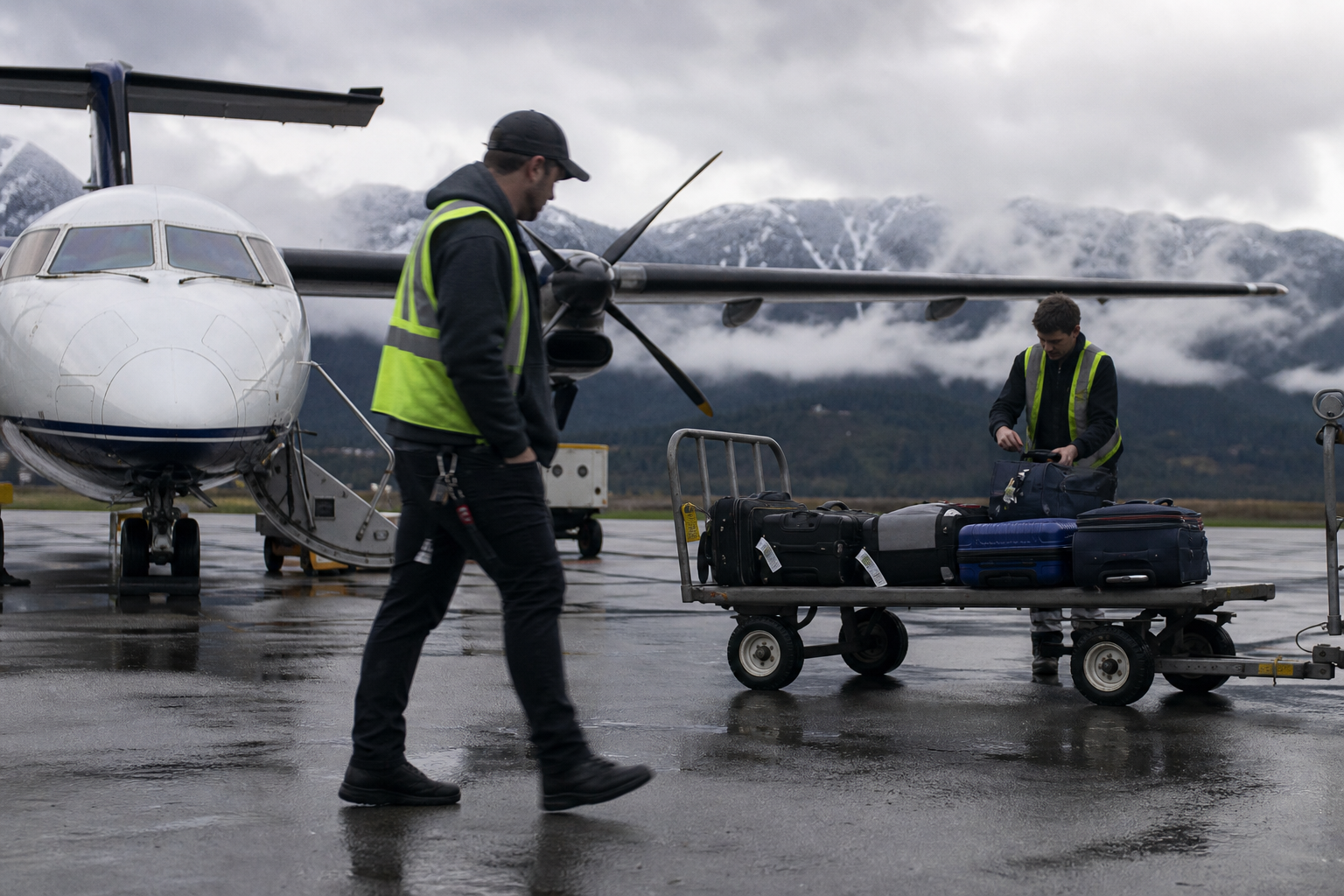
Daryl Smith founded Pacific Coastal Airlines in 1987. For nearly four decades, the Smith family ran it as a family business, flying Saab 340s and Beechcraft 1900s to places like Bella Coola and Powell River where roads don't reach and ferries take all day. In 2026, Birch Hill Equity Partners bought it. Pacific Coastal now sits under the same ownership as Harbour Air, West Coast Air, Saltspring Air, and Whistler Air. That's 59 aircraft and 25 destinations across British Columbia controlled by one private equity firm. The deal got almost no national press coverage.
The reason that matters is structural. BC's geography creates a natural monopoly condition for regional air service. The Coast Mountains don't care about competition theory. Towns like Masset, Bella Bella, and Ocean Falls need scheduled flights the way other places need bridges. If you can't reach them by water or air, you can't reach them. The consolidated entity now controls over half the scheduled air routes that serve BC's remote communities.
What the roll-up delivers
Birch Hill bought complementary assets in a fragmented market. Harbour Air operates seaplanes out of Vancouver Harbour Flight Centre (CXH), serving downtown-to-downtown routes. Pacific Coastal runs turboprops out of Vancouver International's South Terminal (YVR), connecting the airport to the BC interior and coastal hubs. One handles water-to-water last-mile connectivity. The other handles airport-to-airport regional trunk routes. Stitch them together and you have seamless point-to-point service for business travelers who don't want to clear security twice.
The combined fleet now includes everything from de Havilland Beavers to 34-seat Saab turboprops. That range allows yield management across different route densities. High-margin scenic flights to Tofino subsidize low-margin mail runs to Bella Coola. The group can now cross-sell: a Vancouver-to-Victoria seaplane passenger books a connecting Whistler Air helicopter for the last leg to a resort. Pacific Coastal already operates WestJet Link flights under a capacity purchase agreement, meaning Birch Hill now controls a sub-contractor relationship with one of Canada's two national carriers.
Private equity's logic here is clean. Regional aviation has high fixed costs and thin margins. Consolidation spreads overhead across a larger revenue base. Shared maintenance facilities, unified dispatch systems, pooled pilot training. The numbers work better at scale. What doesn't get discussed is what happens when the operator with scale decides a route no longer pencils out.
The quiet shift in leverage
Before this deal, if Harbour Air raised fares on the Vancouver-Nanaimo seaplane route, a traveler could book Pacific Coastal's turboprop instead. That option is gone. The Competition Bureau has looked at airline mergers before, but Birch Hill's structure complicates enforcement. Legally, these are separate operating companies with distinct AOCs (Air Operator Certificates). They serve "different niches." One is water-based, the other is land-based. That framing holds up until you notice they are pricing and scheduling under unified ownership.
Remote communities are the canary. Right now, Pacific Coastal flies to 17 destinations that no other scheduled carrier serves. Some of those routes are federally subsidized. The rest depend entirely on ticket revenue. If a route loses money and the subsidy doesn't cover the gap, the operator can pull out. Under family ownership, Pacific Coastal kept unprofitable routes running longer than strict ROI math justified. Private equity funds don't operate that way. Birch Hill's LPs expect an exit in five to seven years. That timeline shortens the window for routes that don't hit return targets.
The broader risk is precedent. If one PE firm can roll up BC's regional carriers without regulatory pushback, the same playbook works in Ontario cottage country, the Maritimes, and the territories. Canada's aviation sector is already concentrated. Air Canada and WestJet control 80% of domestic capacity. Regional feeder networks were the last part of the system where independent operators could survive. This deal suggests that era is closing.
Nobody is arguing Birch Hill violated the law. The argument is that the law was written for a different market structure.



Private Equity Is Consolidating British Columbia's Regional Airlines, And Everyone Else Should Be Worried
Daryl Smith founded Pacific Coastal Airlines in 1987. For nearly four decades, the Smith family ran it as a family business, flying Saab 340s and Beechcraft 1900s to places like Bella Coola and Powell River where roads don't reach and ferries take all day. In 2026, Birch Hill Equity Partners bought it. Pacific Coastal now sits under the same ownership as Harbour Air, West Coast Air, Saltspring Air, and Whistler Air. That's 59 aircraft and 25 destinations across British Columbia controlled by one private equity firm. The deal got almost no national press coverage.
The reason that matters is structural. BC's geography creates a natural monopoly condition for regional air service. The Coast Mountains don't care about competition theory. Towns like Masset, Bella Bella, and Ocean Falls need scheduled flights the way other places need bridges. If you can't reach them by water or air, you can't reach them. The consolidated entity now controls over half the scheduled air routes that serve BC's remote communities.
What the roll-up delivers
Birch Hill bought complementary assets in a fragmented market. Harbour Air operates seaplanes out of Vancouver Harbour Flight Centre (CXH), serving downtown-to-downtown routes. Pacific Coastal runs turboprops out of Vancouver International's South Terminal (YVR), connecting the airport to the BC interior and coastal hubs. One handles water-to-water last-mile connectivity. The other handles airport-to-airport regional trunk routes. Stitch them together and you have seamless point-to-point service for business travelers who don't want to clear security twice.
The combined fleet now includes everything from de Havilland Beavers to 34-seat Saab turboprops. That range allows yield management across different route densities. High-margin scenic flights to Tofino subsidize low-margin mail runs to Bella Coola. The group can now cross-sell: a Vancouver-to-Victoria seaplane passenger books a connecting Whistler Air helicopter for the last leg to a resort. Pacific Coastal already operates WestJet Link flights under a capacity purchase agreement, meaning Birch Hill now controls a sub-contractor relationship with one of Canada's two national carriers.
Private equity's logic here is clean. Regional aviation has high fixed costs and thin margins. Consolidation spreads overhead across a larger revenue base. Shared maintenance facilities, unified dispatch systems, pooled pilot training. The numbers work better at scale. What doesn't get discussed is what happens when the operator with scale decides a route no longer pencils out.
The quiet shift in leverage
Before this deal, if Harbour Air raised fares on the Vancouver-Nanaimo seaplane route, a traveler could book Pacific Coastal's turboprop instead. That option is gone. The Competition Bureau has looked at airline mergers before, but Birch Hill's structure complicates enforcement. Legally, these are separate operating companies with distinct AOCs (Air Operator Certificates). They serve "different niches." One is water-based, the other is land-based. That framing holds up until you notice they are pricing and scheduling under unified ownership.
Remote communities are the canary. Right now, Pacific Coastal flies to 17 destinations that no other scheduled carrier serves. Some of those routes are federally subsidized. The rest depend entirely on ticket revenue. If a route loses money and the subsidy doesn't cover the gap, the operator can pull out. Under family ownership, Pacific Coastal kept unprofitable routes running longer than strict ROI math justified. Private equity funds don't operate that way. Birch Hill's LPs expect an exit in five to seven years. That timeline shortens the window for routes that don't hit return targets.
The broader risk is precedent. If one PE firm can roll up BC's regional carriers without regulatory pushback, the same playbook works in Ontario cottage country, the Maritimes, and the territories. Canada's aviation sector is already concentrated. Air Canada and WestJet control 80% of domestic capacity. Regional feeder networks were the last part of the system where independent operators could survive. This deal suggests that era is closing.
Nobody is arguing Birch Hill violated the law. The argument is that the law was written for a different market structure.
Sources
Read Next
Three CREA Downgrades in One Year Should Retire the 'Temporary Dip' Theory
Mortgage-Free in Retirement? The 4 Costs Your Home Still Charges You
Higher Rates, Softer Hiring: What 2026's Housing Shift Means for Your Equity
The Toronto Penthouse Premium: What Holds Value and What Is Just Status